


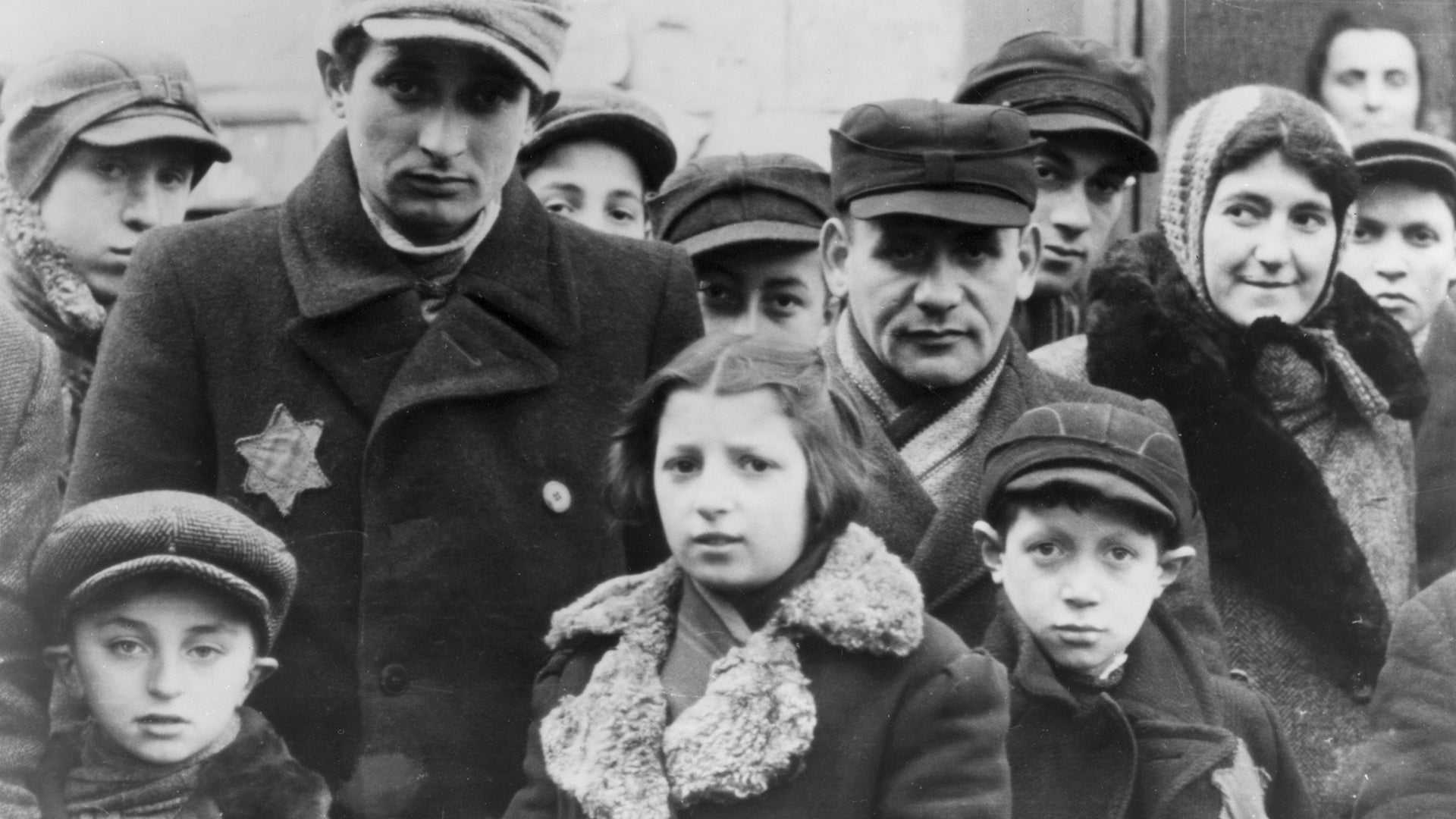
Anti-Semitism, sometimes called the oldest hatred in history, is hostility or prejudice against Jewish people. The Nazi Holocaust is the most extreme example of anti-Semitism in history. Anti-Semitism did not begin with Adolf Hitler: anti-Semitic attitudes date back to ancient times. In much of Europe, throughout the Middle Ages, Jews were denied citizenship and forced to live in ghettos. Anti-Jewish riots called pogroms swept the Russian Empire in the 19th and early 20th centuries, and anti-Semitic incidents increased in parts of Europe, the Middle East, and North America during of recent years.
The term anti-Semitism was first popularized by German journalist Wilhelm Marr in 1879 to describe hatred or hostility toward Jews. The history of anti-Semitism, however, goes back much further.
Hostility against Jews goes back perhaps as far as Jewish history. In the ancient empires of Babyloniaof Greece and Rome, Jews originating from the ancient kingdom of Judea were often criticized and persecuted for their efforts to remain a distinct cultural group rather than adopting the religious and social customs of their conquerors.
With the rise of Christianity, anti-Semitism has spread across much of Europe. The first Christians vilified Judaism in an effort to gain more converts. They accused Jews of extravagant acts such as “blood libel” – the kidnapping and murder of Christian children to use their blood for business. Easter bread.
These religious attitudes were reflected in the anti-Jewish economic, social, and political policies that spread across the European world. Middle Ages.
Brief History: The Moment Behind International Holocaust Remembrance Day
Anti-Semitism in Medieval Europe
Many of the anti-Semitic practices observed in Nazi Germany actually have their roots in medieval Europe. In many European cities, Jews were confined to certain neighborhoods called ghettos.
Some countries also required Jews to distinguish themselves from Christians by wearing a yellow badge on their clothing or a special hat called a Judenhut.
Some Jews became prominent in banking and money lending, because early Christianity did not allow money lending for interest. This led to economic resentment that forced the expulsion of Jews from several European countries, including France, Germany, Portugal, and Spain, in the 14th and 15th centuries.
Jews were denied citizenship and civil liberties, including religious freedom in much of medieval Europe.
Poland is a notable exception. In 1264, Polish prince Bolesław the Pious issued a decree granting Jews personal, political, and religious freedoms. However, Jews were not granted citizenship and rights in much of Western Europe until the late 1700s and 1800s.
Russian pogroms
Throughout the 1800s and early 1900s, Jews throughout the Russian Empire and other European countries faced violent anti-Jewish riots called pogroms.
Pogroms were usually perpetrated by a non-Jewish local population against their Jewish neighbors, although pogroms were often encouraged and aided by the government and police forces.
In the wake of russian revolutionan estimated 1,326 pogroms took place in Ukraine alone, leaving nearly half a million Ukrainian Jews homeless and killing an estimated 30,000 to 70,000 people between 1918 and 1921. Pogroms in Belarus and Poland also killed tens of thousands of people.
Nazi anti-Semitism
Adolf Hitler and the Nazis rose to power in Germany in the 1930s on a program of German nationalism, racial purity, and global expansion.
Hitler, like many anti-Semites in Germany, blamed the Jews for the country’s defeat in First World Warand for the social and economic upheaval that followed.
Early on, the Nazis undertook an “Aryanization” of Germany, during which Jews were dismissed from public service, Jewish-owned businesses were liquidated, and Jewish professionals, including doctors and lawyers, were deprived of their customers.
The Nuremberg Laws of 1935 introduced many anti-Semitic policies and defined the definition of who was Jewish based on their ancestry. Nazi propagandists had convinced the German public that Jews were a race apart. Under the Nuremberg Laws, Jews were no longer German citizens and did not have the right to vote.
Kristallnacht
As a result, Jews became routine targets of stigmatization and persecution. This resulted in a campaign of state-sponsored street violence known as Kristallnacht (the “Night of Broken Glass”), which took place on November 9 and 10, 1938. In two days, more than 250 synagogues across the Reich were burned and 7,000 Jewish businesses looted.
The day after Kristallnacht, 30,000 Jewish men were arrested and sent to concentration camps.
Holocaust
Before Kristallnacht, Nazi policy toward Jews was antagonistic but essentially nonviolent. After the incident, conditions for Jews in Nazi Germany gradually deteriorated as Hitler and the Nazis began to implement their plan to exterminate the Jewish people, which they called the “Final Solution” to the “Jewish problem”.
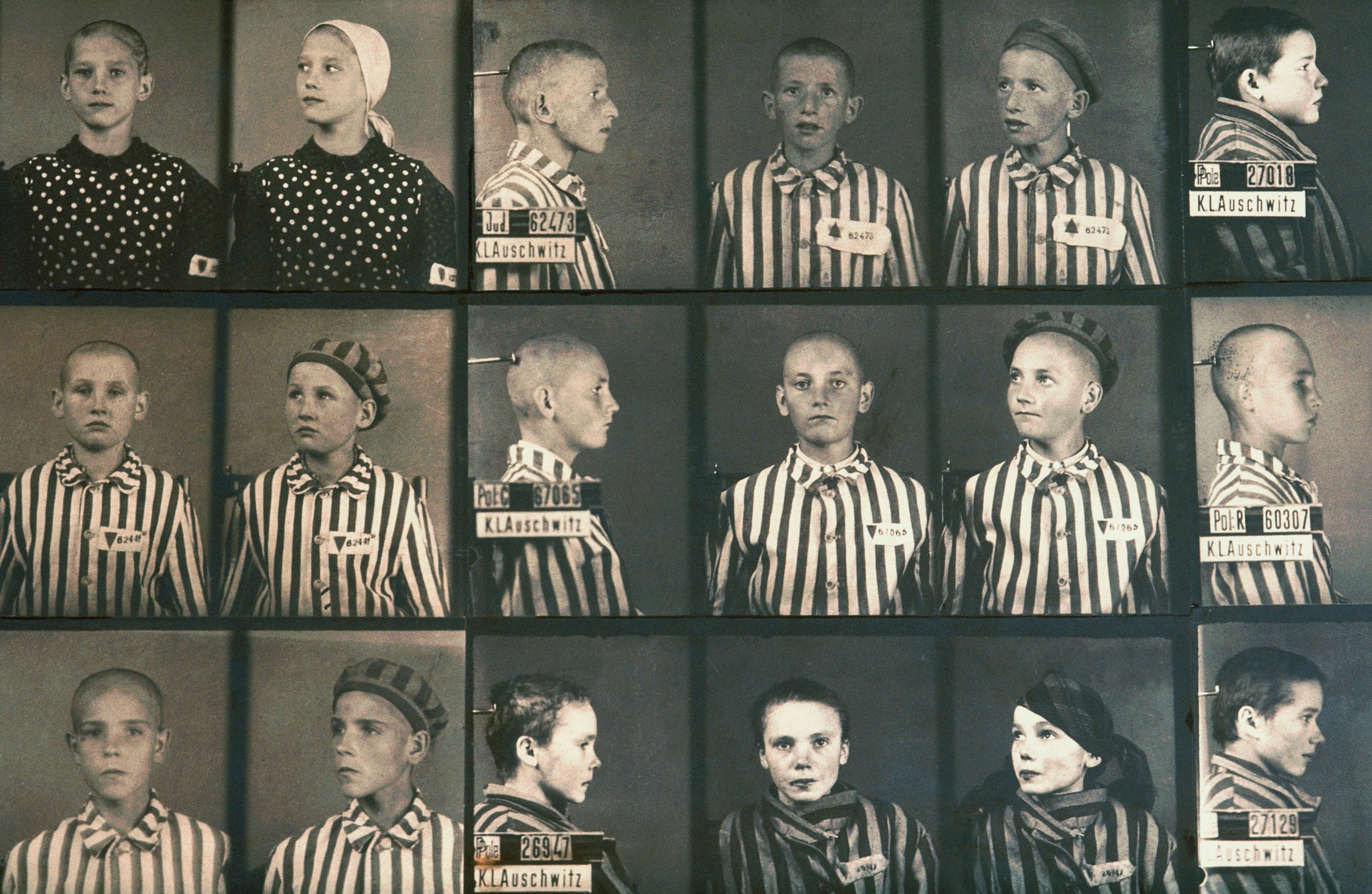
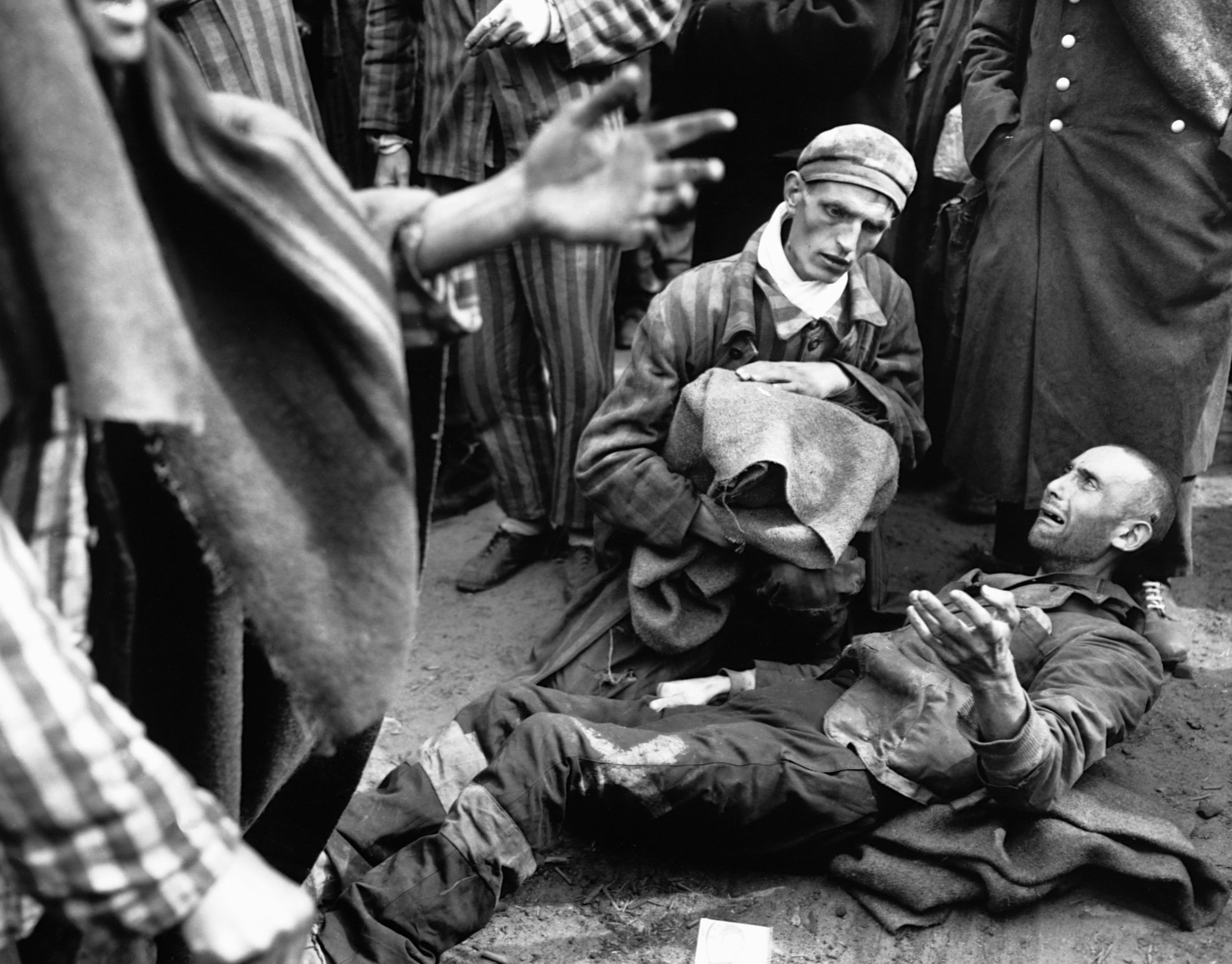
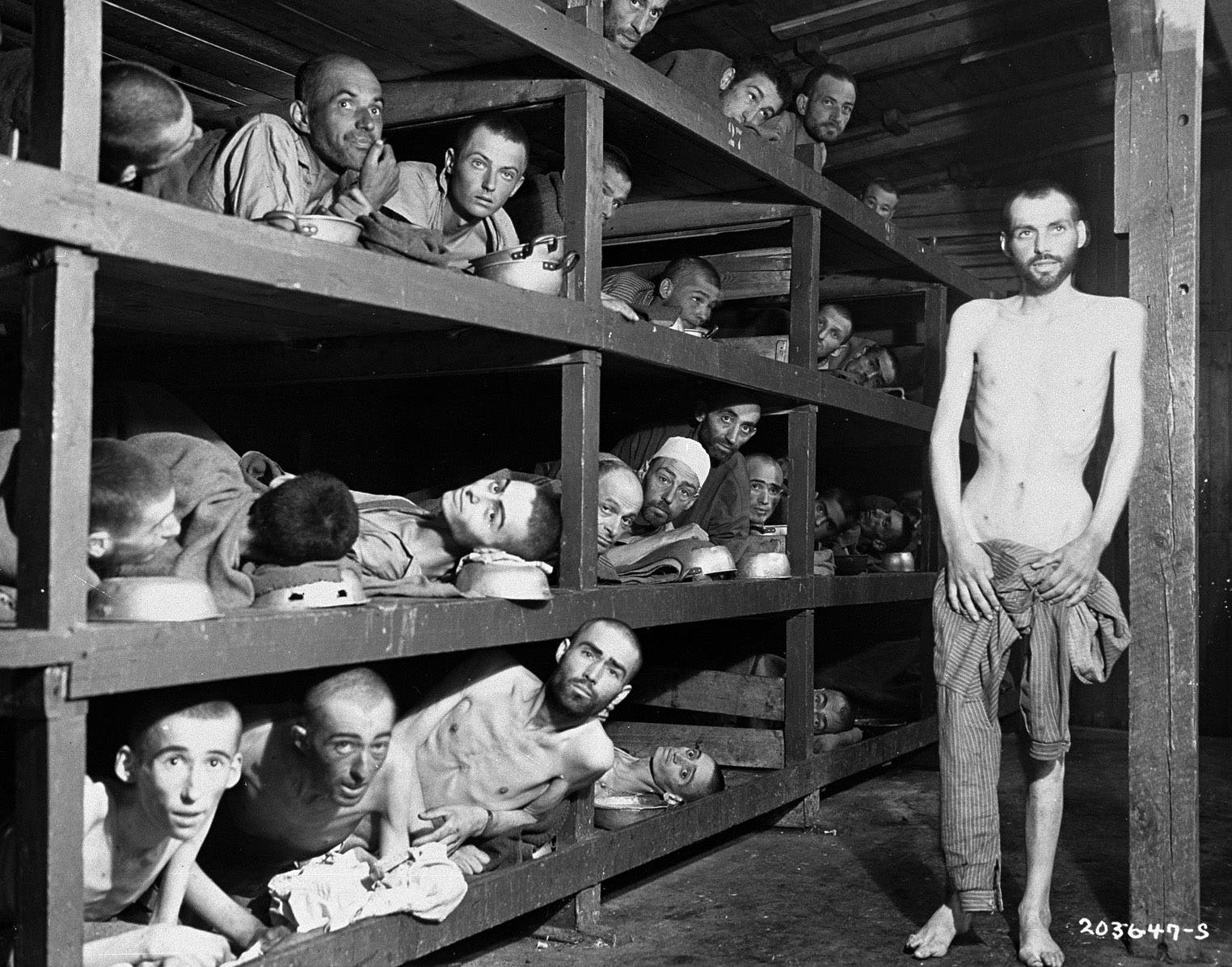
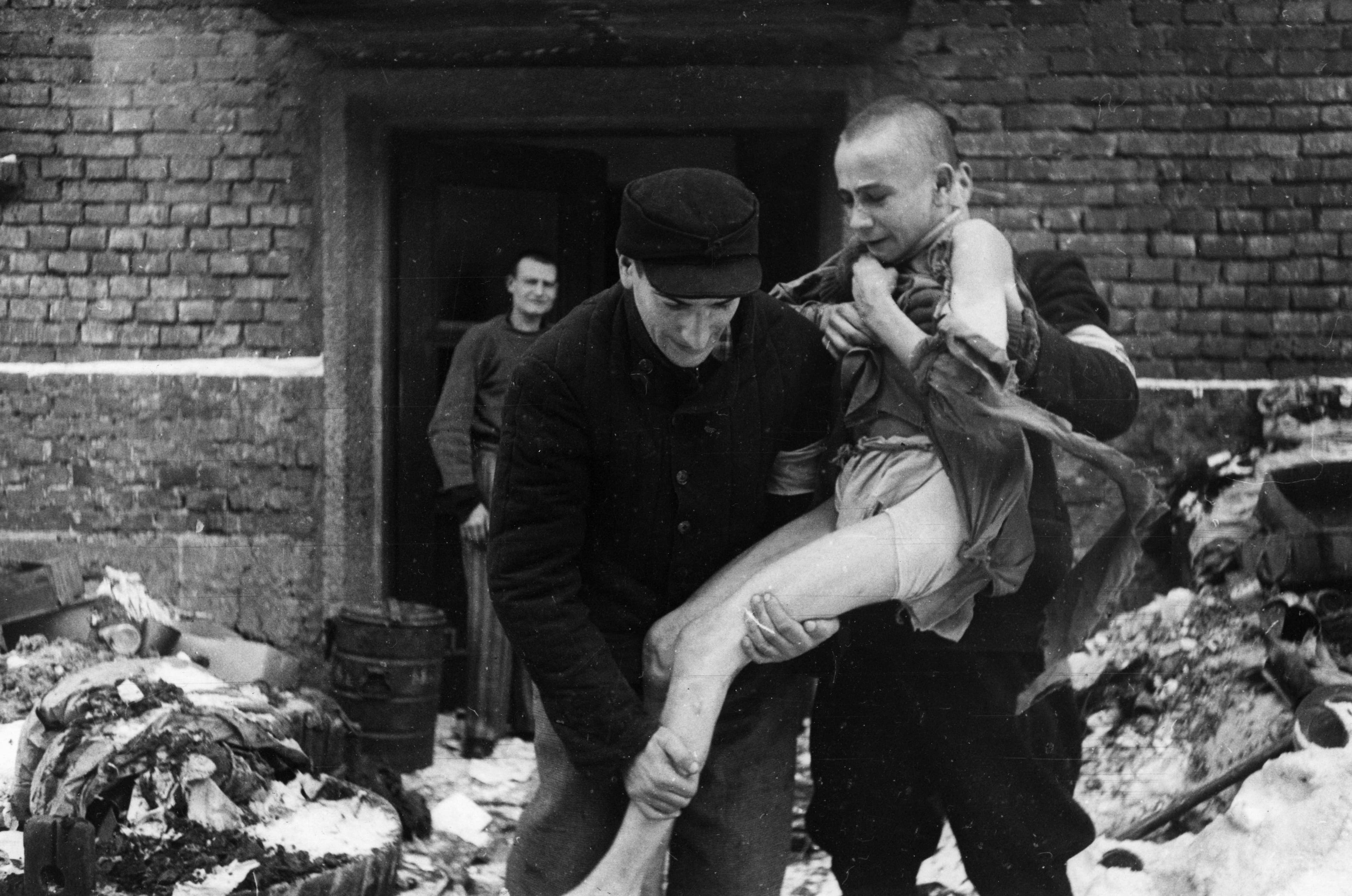
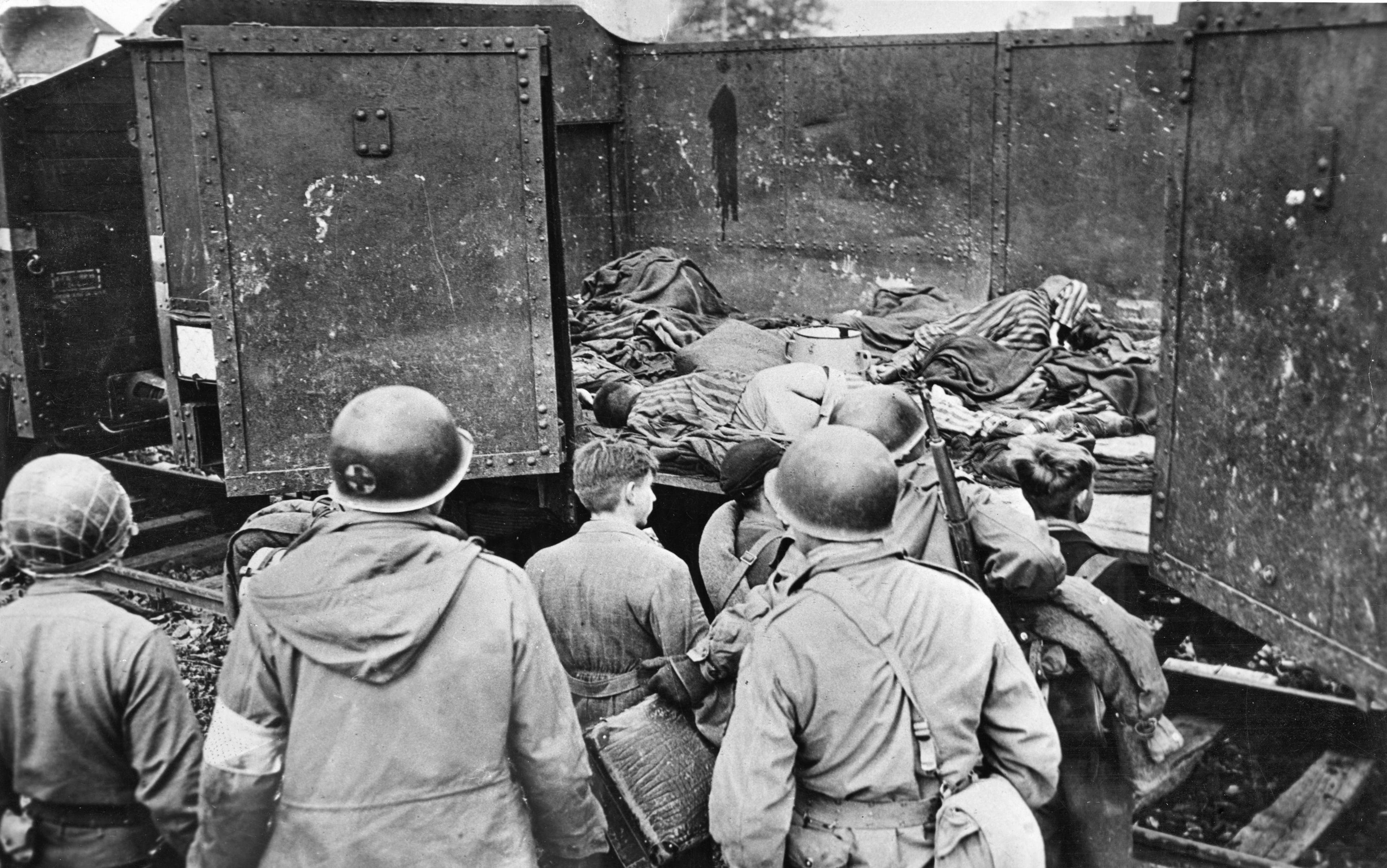
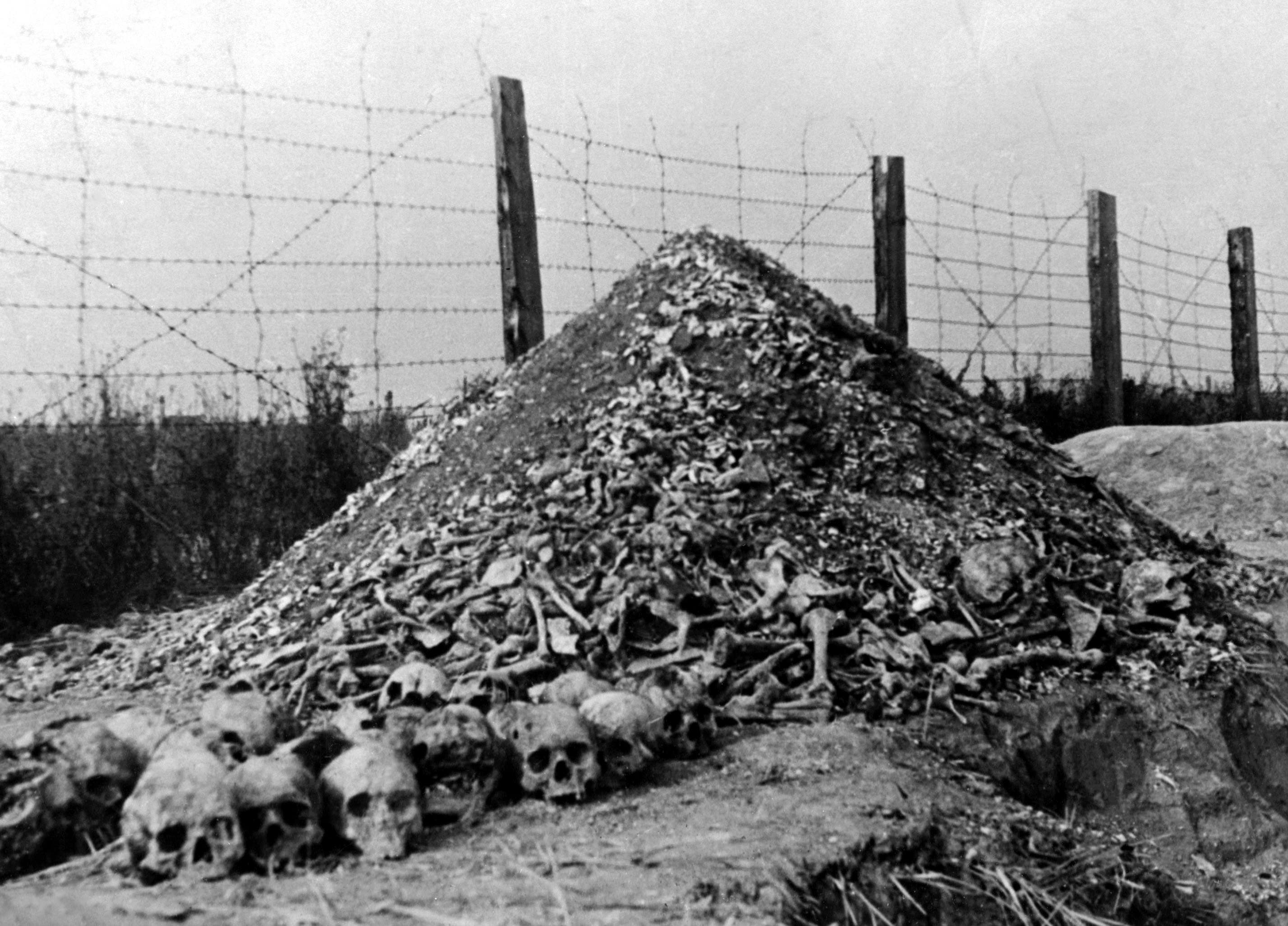
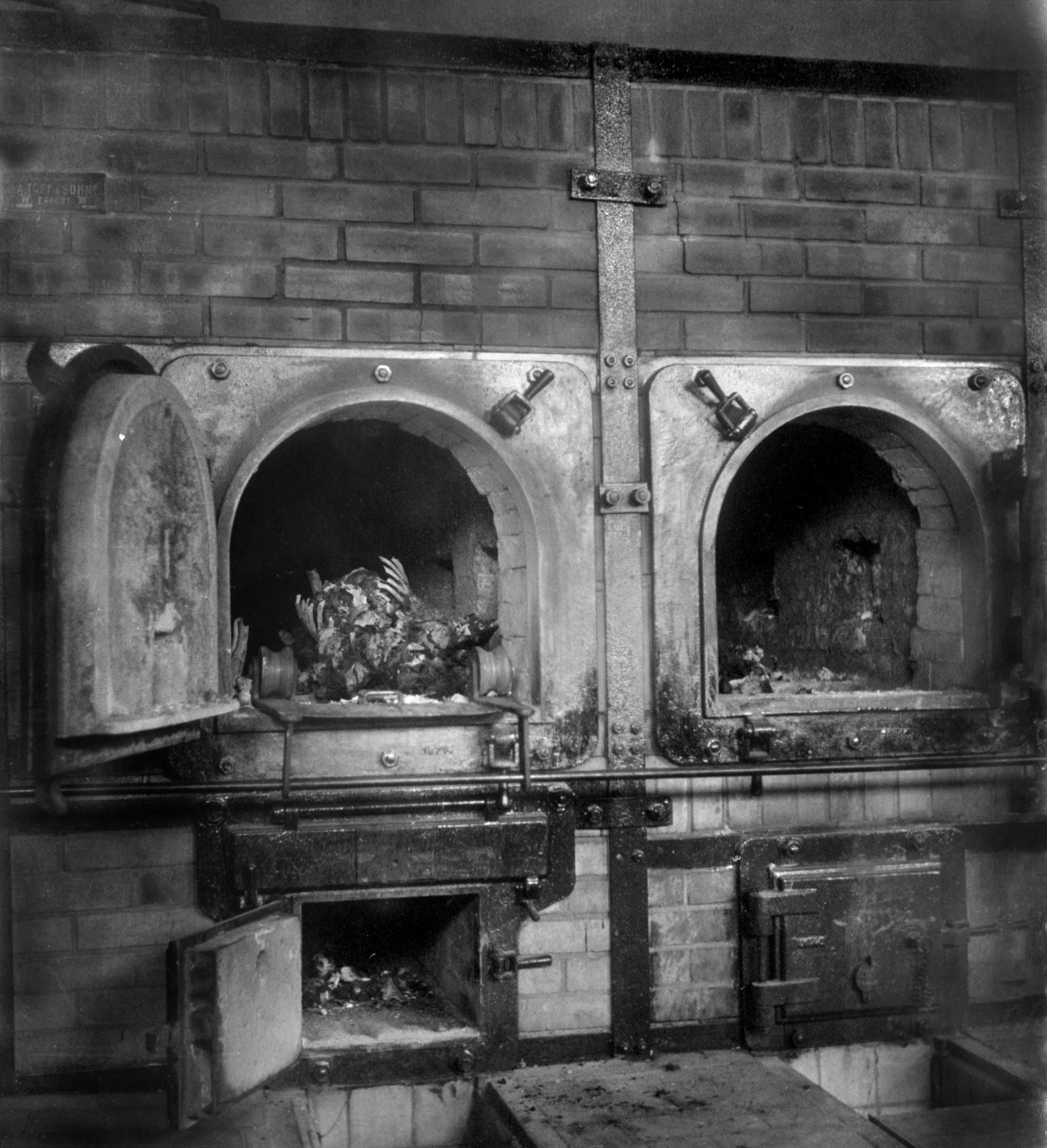
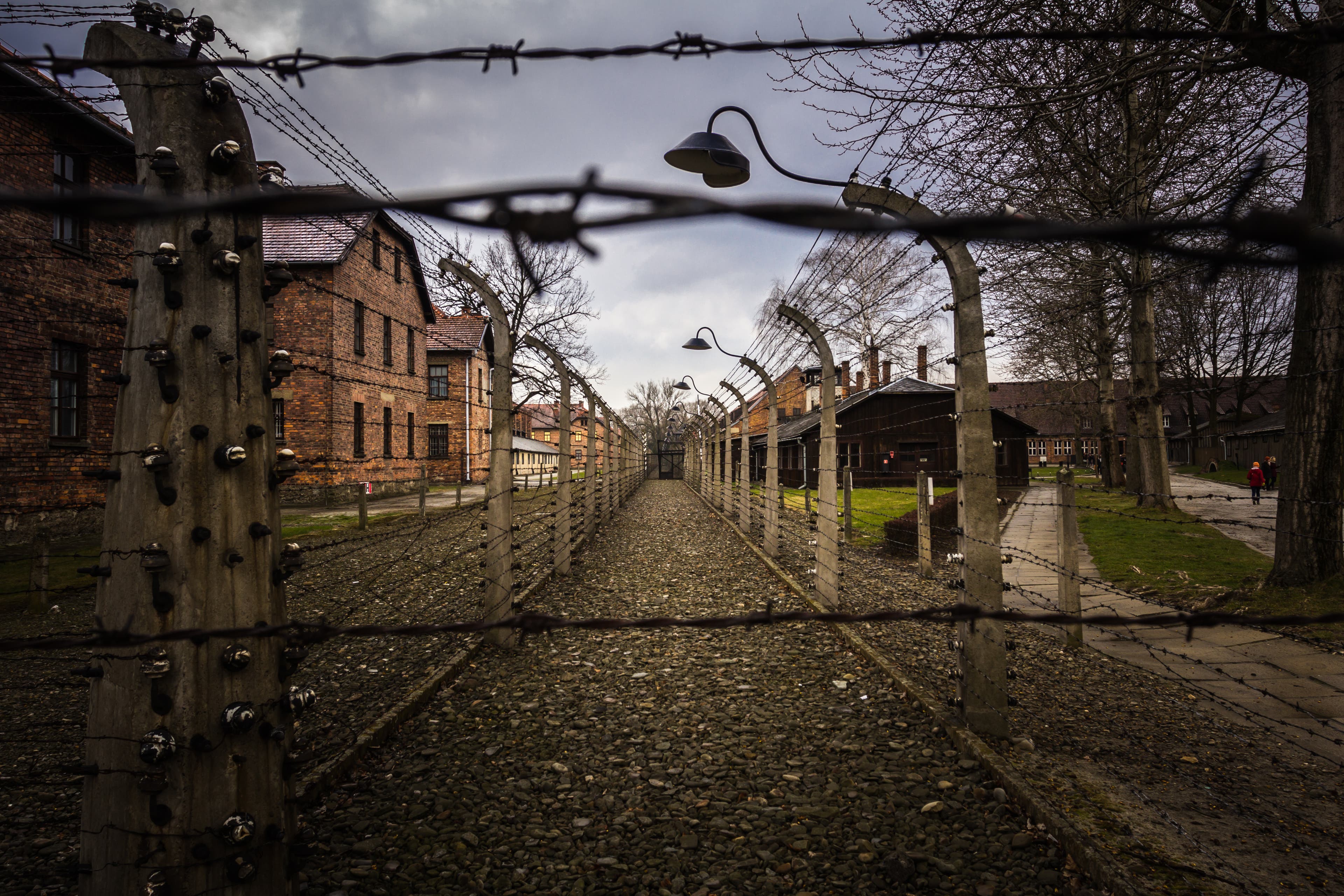
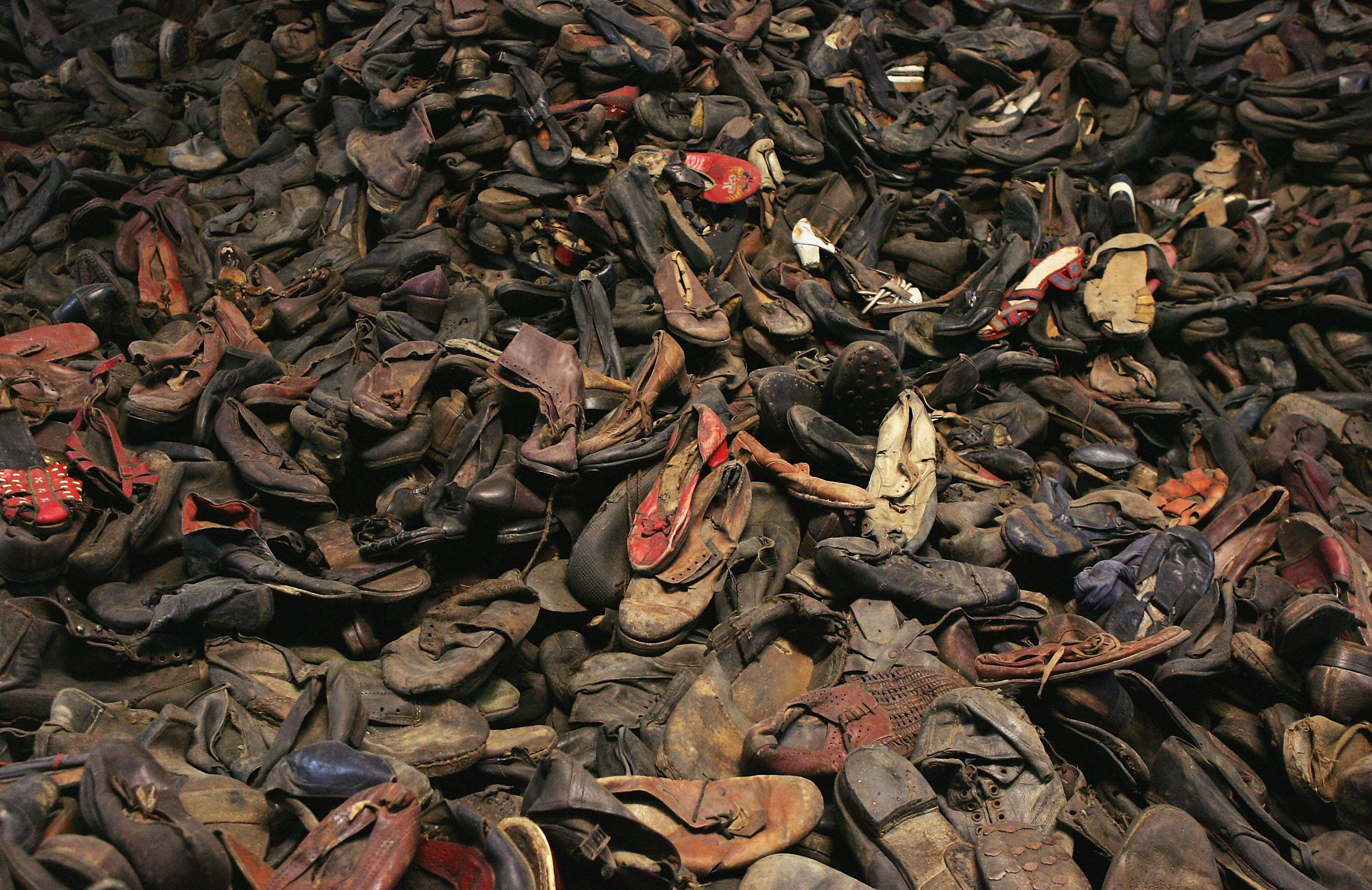
Between 1939 and 1945, the Nazis used mass extermination centers called concentration camps to carry out the systematic murder of approximately 6 million European Jews in what would become the concentration camp. Holocaust.

1 / ten:
Anti-Semitism in the Middle East
Anti-Semitism in the Middle East has existed for millennia, but has increased significantly since then. The Second World War. After the creation of a Jewish state in Israel In 1948, Israelis fought for control of Palestine against a coalition of Arab states.
At the end of the war, Israel retained much of Palestine, leading to the forced exodus of approximately 700,000 Muslim Palestinians from their homes. The conflict has created resentment against Jewish nationalism in majority-Muslim countries.
As a result, anti-Semitic activities grew in many Arab countries, causing most Jews to leave in the following decades. Today, many countries in North Africa and the Middle East have little Jewish population left.
Anti-Semitism in Europe and the United States
Anti-Semitic hate crimes have increased in Europe in recent years, particularly in France, which has the third largest Jewish population in the world. In 2012, three children and a teacher were shot dead by a radical Islamist gunman in Toulouse, France.
After the shooting against the satirical weekly Charlie Hebdo In Paris in 2015, four Jewish hostages were murdered in a kosher supermarket by an Islamist terrorist.
The UK recorded a record 1,382 hate crimes against Jews in 2017, an increase of 34% on previous years. In the United States, anti-Semitic incidents increased by 57% in 2017 – the largest annual increase ever recorded by the Anti-Defamation League, a Jewish civil rights organization. The year 2018 was marked by a doubling of anti-Semitic attacks, according to the ADL, and by the deadliest attack against the Jewish community in American history: the shooting in the Pittsburgh synagogue on October 27, 2018.
SOURCES
Anti-Semitism; Anti-Defamation League.
Anti-Semitism in history: Nazi anti-Semitism; United States Holocaust Memorial Museum.
The unavoidable anti-Semitism of Western nationalists; The Washington Post.
